
One Person Files, But the Whole Family Is Protected
Key Takeaways: Florida law requires wrongful death lawsuits be filed by the decedent’s personal representative under Fla. Stat. § 768.20, not individual family members. This exists because wrongful death claims are purely statutory, so standing follows the Florida Wrongful Death Act. The personal representative is appointed through probate and acts as a fiduciary for the estate and all statutorily defined survivors, who must be identified in the complaint. Consolidating claims prevents competing lawsuits and ensures every survivor’s losses are presented together. Because probate appointment must occur before filing suit, the practical deadline is earlier than Florida’s two-year limitations period, and evidence preservation should begin immediately. Families facing disputes over who serves, missing wills, or early insurer offers benefit from addressing both probate and civil tracks simultaneously.
When a family loses someone due to another’s negligence, one surprise is learning the grieving spouse, child, or parent generally cannot file the lawsuit personally. Under Florida’s statutory scheme, the wrongful death action is brought by the decedent’s personal representative, who sues on behalf of both the estate and all eligible survivors. Though it can feel impersonal, the design is protective: it maintains one unified case and ensures every survivor’s losses are presented together.
If you are trying to understand who can file after losing a loved one in South Florida, Furmanski Law Group can walk you through it in plain language. Call 305-900-6657 to speak with attorney Daniel Furmanski directly, or contact us now to schedule a free consultation.
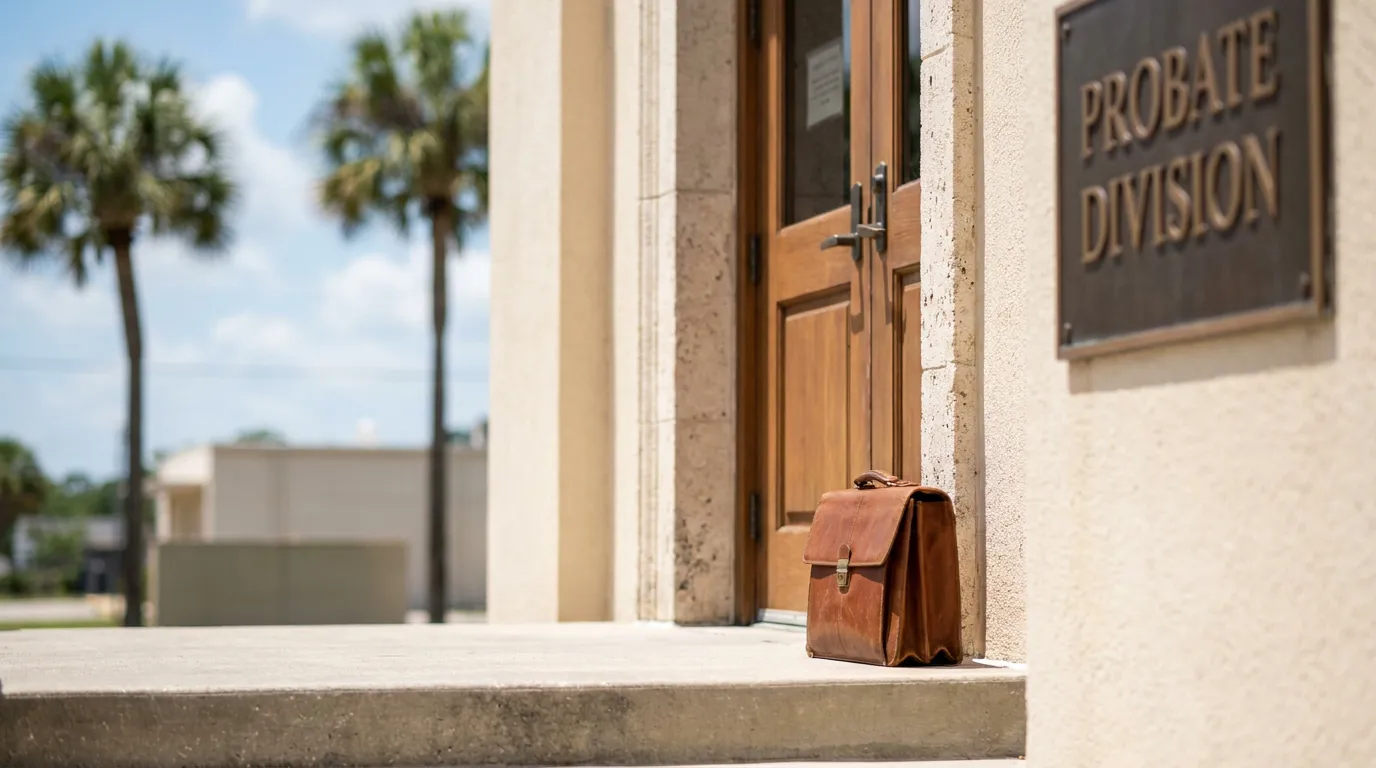
Where Florida’s Wrongful Death Act Comes From
Wrongful death claims did not exist at common law, which is why every rule traces back to statute. A wrongful death statute is a law enacted by a legislature establishing the framework for civil lawsuits against those responsible for causing death through negligent, reckless, or intentional conduct. Florida’s version lives in Title XLV (Torts), Chapter 768 (Negligence), at Fla. Stat. §§ 768.16 through 768.26.
Because the wrongful death remedy is created entirely by statute, standing and procedure are controlled by the statute’s text. If the Legislature says the action is brought by a particular person, courts generally will not let another party substitute themselves simply because they were closest to the decedent.
Understanding Florida 768.20 Personal Representative Standing
Florida Statute § 768.20 provides that the action shall be brought by the decedent’s personal representative, who recovers for the benefit of the decedent’s survivors and estate. This provision answers who can file wrongful death Florida claims. The personal representative is appointed through probate to act for the estate, sometimes nominated in a will and sometimes appointed when no will exists. Section 768.20 also provides that when a personal injury to the decedent results in death, no action for the personal injury shall survive, and any such action pending at the time of death shall abate. A new wrongful death action must then be brought by the decedent’s personal representative under the Florida Wrongful Death Act.
This structure is not unique to Florida, though Florida applies it strictly. Legal reference sources note that modern wrongful death statutes often permit the decedent’s executor or administrator to bring the lawsuit. Florida makes that approach exclusive, which is why the phrase florida 768.20 personal representative comes up in early case discussions.
Why the Family Cannot File Directly
Individual survivors lack independent standing to sue in their own names, even when their losses are profound. A surviving spouse who files in her own name may face dismissal, and time spent litigating that issue wastes the limitations period. The defect can often be cured by later appointment of a personal representative who ratifies or is substituted into the case, but courts are not uniform in allowing amendments to relate back, and correction requires court involvement and probate steps that could have been handled initially.
What the Personal Representative Actually Does
The personal representative acts as a fiduciary, not a preferred beneficiary. That person owes duties to every survivor in the case, including those who may disagree with settlement decisions. Under Fla. Stat. § 768.21, all potential beneficiaries, including the estate, must be identified in the complaint with their relationships to the decedent alleged. Settlements frequently require probate court approval, particularly where minors, disputed allocations, or guardianship issues are involved.
How Someone Becomes the Personal Representative
Appointment happens through probate court as a separate proceeding from the civil lawsuit. Often a will nominates the person; where no valid will exists, Florida’s probate statutes set an order of preference generally favoring the surviving spouse, then a person selected by a majority in interest of heirs, then the heir nearest in degree. Statutory qualification rules also apply, including limits based on felony convictions, mental or physical capacity, and out-of-state residency. Disputes over who serves can delay the civil case, so addressing appointment early is wise.
💡 Pro Tip: If several relatives want to serve, ask your attorney whether a neutral third party or co-representative arrangement could keep the negligence case moving while the family works through differences.
The Right of Action Under Section 768.19
The statutory foundation for liability appears in Fla. Stat. § 768.19 (2023), which creates the right of action. The statutory right of action applies when death is caused by the wrongful act, negligence, default, or breach of contract or warranty of another, and the party who would have been liable had death not ensued becomes liable for damages under the Act. The Act reaches deaths on navigable waters and applies although death was caused under circumstances constituting a felony, subject to controlling federal maritime law.
One threshold condition is easily missed: the injured person must have been entitled to recover damages had death not occurred. If the decedent would have had no viable negligence claim while living, survivors generally have none after death. Defenses that would have applied to the decedent, such as comparative fault, express assumption of risk, workers’ compensation immunity, and causation disputes, generally follow the case forward.
Who Counts as a Survivor, and What They Can Recover
Florida law defines "survivors" narrowly in Fla. Stat. § 768.18(1), and those categories drive the damages analysis. Under Fla. Stat. § 768.21(1), each survivor may recover the value of lost support and services from the injury date to death, with interest, plus future loss reduced to present value. Courts may consider the survivor’s relationship to the decedent, the decedent’s probable net income available for distribution, and replacement value of services. Other subsections provide separate damages categories, including the surviving spouse’s loss of companionship and mental pain, minor children’s loss of parental companionship, and the estate’s lost earnings and medical and funeral expenses.
The Act contains express limitations that lawmakers have revisited repeatedly. Fla. Stat. § 768.21(8) bars adult children and parents of adult children from recovering noneconomic damages in medical negligence wrongful death actions, and bills to repeal that restriction have been introduced without enactment. Whether a particular survivor may recover a particular category depends on the facts, relationship, and claim type.
| Role | Who It Is | Primary Function |
|---|---|---|
| Personal Representative | Appointed by probate court | Files and controls the lawsuit |
| Survivors | Statutorily defined family members | Hold the beneficial interest in recovery |
| Estate | The decedent’s legal entity | Recovers certain economic losses |
Practical Challenges Families Run Into
Most delays come from paperwork and appointment issues rather than the underlying negligence dispute. Families are grieving, records are scattered, and probate feels like an obstacle course. Common problems include:
- No will exists, requiring court appointment before filing
- Relatives disagree about who should serve as representative
- Evidence at the scene, including vehicle data and surveillance footage, is lost during probate
- Insurers make early offers before all survivors and damages are identified
Preserving evidence should not wait for probate appointment. Investigation, witness interviews, and preservation letters can proceed while the estate is being opened. If a fatal crash is involved, many early steps that matter after a car accident apply, including securing the traffic crash report and identifying every potentially liable party.
💡 Pro Tip: Ask whether the at-fault party carried commercial, employer, or umbrella coverage. Identifying all liable parties early often matters more to the outcome than any single policy size.
Deadlines and Why Waiting Is Risky
Florida generally applies a two-year statute of limitations to wrongful death actions, measured from the date of death. That period appears in Fla. Stat. § 95.11, whose subsection numbering was reorganized by 2023 tort reform legislation. Important variations exist: wrongful death claims from medical malpractice fall under Fla. Stat. § 95.11(5)(c), which retains the standard two-year statute of limitations but adds a four-year statute of repose and a discovery-based accrual rule, and exceptions and tolling doctrines are interpreted narrowly. Claims against government entities carry separate presuit notice and waiting-period requirements under Fla. Stat. § 768.28, along with damages caps.
Because probate appointment ordinarily must happen before lawsuit filing, the practical deadline is earlier than the legal one. Speaking with a Miami wrongful death attorney early gives families time to handle both tracks simultaneously.
Frequently Asked Questions
1. Can a surviving spouse file the lawsuit in her own name?
No. Under Fla. Stat. § 768.20, the personal representative files on behalf of all survivors, though the spouse may be appointed to that role.
2. What if the decedent left no will?
The probate court appoints a personal representative under Florida’s probate statutes, following the statutory order of preference. This does not prevent a wrongful death claim from proceeding.
3. Does the personal representative keep the money?
No. Recovery is allocated among the statutorily identified survivors and estate according to the Act, subject to court oversight in many situations.
4. Can more than one family member be involved in the case?
Yes. Every potential beneficiary must be identified in the complaint with their relationship alleged, though only one person controls the litigation.
5. How long do we have to act?
Florida generally allows two years from the date of death under Fla. Stat. § 95.11, with different rules for medical malpractice deaths and separate presuit notice requirements for government claims.
Moving Forward With Clarity Instead of Confusion
The rule that only the personal representative may bring a Florida wrongful death suit reflects a deliberate legislative choice to consolidate claims, protect every survivor’s interest, and give the defense a single case to answer. It does not shut families out but channels their claims through one appointed fiduciary who must account for everyone. Outcomes depend on the specific facts, relationships involved, and evidence available, so no article can substitute for advice about your situation.
Attorney Daniel Furmanski handles these cases personally, drawing on a strong personal injury background and prior agency-side experience, and he is directly accessible to the families he represents in English and Spanish. Learn more about Furmanski Law Group’s approach, call 305-900-6657, or request your free consultation today.