
When a Property Owner Says "You Should Have Seen It"
Key Takeaways: Yes, you may often still be able to recover after a Florida property owner says the hazard was obvious. The open and obvious defense often shifts blame instead of ending the claim. Under Florida’s modified comparative negligence rule in Fla. Stat. § 768.81(6), you may recover damages if you are found 50 percent at fault or less, reduced by your share of fault. Property owners generally still have a common-law duty to keep their premises reasonably safe. In slip-and-fall cases involving a transitory foreign substance in a business establishment, the injured person must prove the business had actual or constructive knowledge of the hazard. Lighting, distractions, store displays, and whether you had another route can all affect how fault is divided. Evidence such as surveillance footage, cleaning logs, photos, and witness statements can be critical, so act quickly. Most negligence claims that accrued after March 24, 2023, generally must be filed within two years under Fla. Stat. § 95.11(5)(a).
Yes, in many cases you may still be able to recover compensation after a Florida property owner claims the hazard was obvious. The open and obvious defense does not automatically end a premises liability claim, although some courts have ruled for owners as a matter of law when a condition was so obvious and not inherently dangerous that no breach of duty occurred. Under Florida’s modified comparative negligence system, a jury generally weighs how much fault belongs to the owner and how much to the injured person. If you are found 50 percent at fault or less, you may still recover damages, reduced by your share of fault.
If you were hurt on someone else’s property and the owner or its insurer is blaming you, you can talk to an attorney before you accept that answer. Furmanski Law Group is led by attorney Daniel Furmanski, who works directly with each client and brings a personal injury background that includes prior agency-side experience. Call 305-900-6657 or contact us now to schedule a free consultation.
Why "Obvious" Is Not the Same as "No Case"
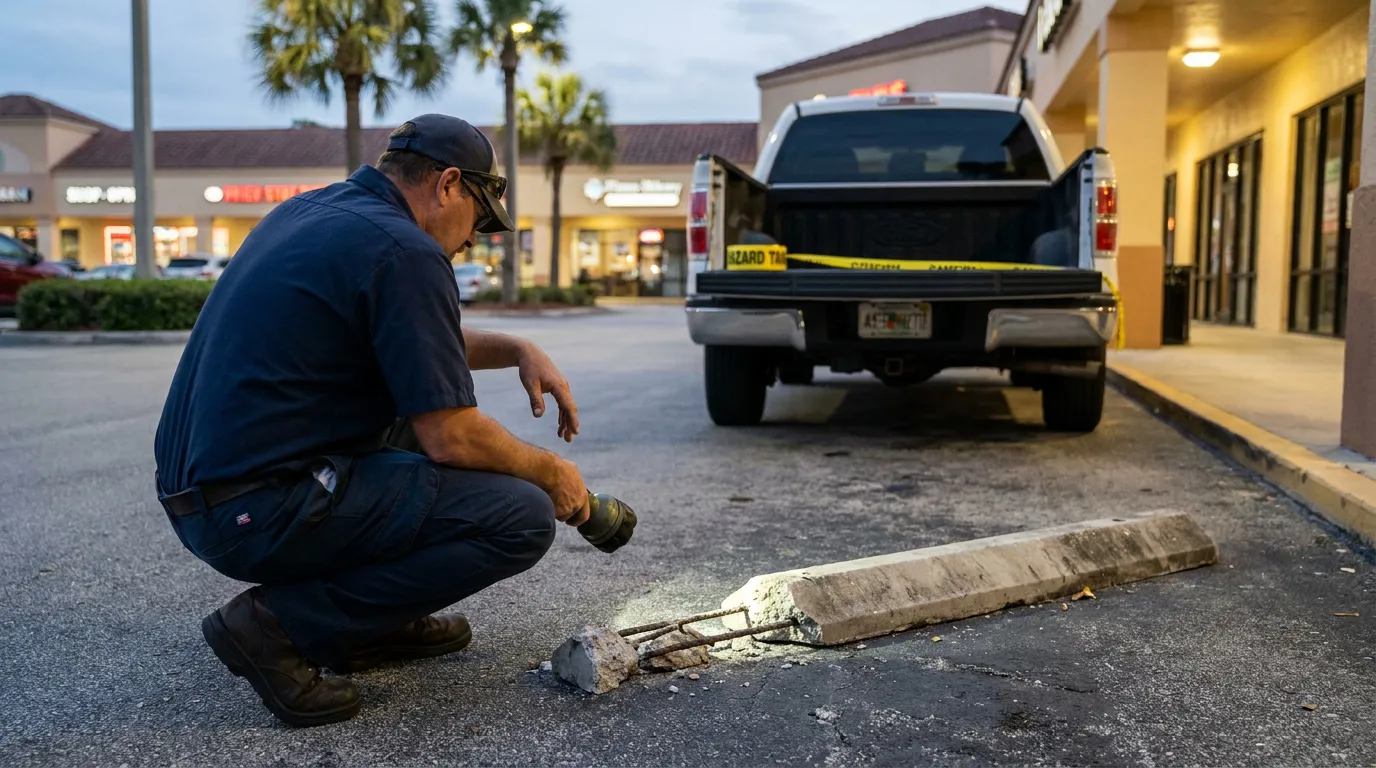
Property owners and insurance adjusters often say a hazard was obvious to make injured people believe they have no claim. In practice, the argument usually shifts blame rather than ending the case. A puddle, a broken step, or a dim stairwell may have been visible, but that does not answer whether the owner acted reasonably to fix it or warn people about it.
Florida law generally keeps the owner’s basic responsibilities in place. Under Fla. Stat. § 768.0755(2), the statute governing slip-and-fall claims "does not affect any common-law duty of care owed by a person or entity in possession or control of a business premises." The open and obvious doctrine comes from common law, not a statute. Florida courts have generally held that an obvious danger may relieve the owner of the duty to warn. The separate duty to keep the property reasonably safe can still apply, but some courts have found no liability where a condition was both open and obvious and not inherently dangerous.
What Typically Happens After a Fall
Many injured people hear the "obvious hazard" argument early, sometimes in the first call with an adjuster. You may be told you should have watched where you walked. That reflects the insurer’s position, not a legal ruling. Fault is decided by a jury, or by a judge at summary judgment or trial, if the claim does not settle.
How Modified Comparative Negligence Shapes Your Recovery
Florida’s modified comparative negligence system sits at the center of most obvious-hazard disputes. Under Fla. Stat. § 768.81(6), "any party found to be greater than 50 percent at fault for his or her own harm may not recover any damages." If you are 50 percent at fault or less, your recovery is generally reduced by your percentage of fault but not barred.
This rule is fairly new. The greater-than-50-percent bar came from the 2023 tort reform law, ch. 2023-15, and generally applies to causes of action filed after March 24, 2023. Articles written before 2023 may describe Florida as a pure comparative negligence state. That description generally no longer applies to general negligence claims like premises liability, though the statute exempts medical negligence actions. You can read the current text in Florida’s negligence statutes.
| Your Assigned Fault | General Effect on Recovery |
|---|---|
| 0 percent | Full damages may be recoverable |
| 1 to 50 percent | Damages generally reduced by your percentage |
| Over 50 percent | No damages recoverable under § 768.81(6) |
Each Party Pays Its Own Share
Under Fla. Stat. § 768.81(3), courts enter judgment against each liable party "on the basis of such party’s percentage of fault and not on the basis of the doctrine of joint and several liability." If a jury finds a property owner partly responsible, the owner is generally responsible only for its share.
When the Owner Blames Someone Else
Sometimes an owner points to a contractor, cleaning company, or another tenant. Under Fla. Stat. § 768.81(3)(a)1.-2., a defendant who wants to blame a nonparty must affirmatively plead that nonparty’s fault and prove it at trial by a preponderance of the evidence. Separately, some duties to keep premises safe are nondelegable, so an owner may not always escape responsibility by pointing to a contractor.
Proving Notice in Florida Slip-and-Fall Claims
For falls on a transitory foreign substance in a business establishment, such as a spilled drink, Florida requires proof of notice. Under Fla. Stat. § 768.0755(1), the injured person "must prove that the business establishment had actual or constructive knowledge of the dangerous condition and should have taken action to remedy it." Even when a store says a spill was obvious, the case may still turn on what the business knew and whether it acted.
Constructive knowledge can be shown with circumstantial evidence. Under Fla. Stat. § 768.0755(1)(a)-(b), you may show:
- The condition existed long enough that the business should have known about it with ordinary care.
- The condition occurred regularly and was therefore foreseeable.
Helpful evidence includes surveillance footage, cleaning logs, maintenance records, prior complaints, and witness statements. Stores may overwrite video within days or weeks, so acting promptly can help protect key proof.
💡 Pro Tip: Photograph the hazard, the surrounding area, and your shoes or clothing as soon as you safely can. Footprints, cart tracks, or dirt in a spill may help show the substance sat there for a while.
Building a Response to the Open and Obvious Defense in Florida
A strong response usually focuses on context, not just visibility. A hazard that seems obvious in a photograph may have been hard to notice in the moment. Courts may consider lighting, distractions, crowding, store displays, and whether the owner created the condition.
Factors That May Reduce Your Share of Fault
Several circumstances can affect how a jury sees an obvious hazard. Poor lighting, a floor that matches the color of a spilled liquid, or a product display meant to draw your eyes upward may all matter. So may having no reasonable alternative route, such as a single entrance to an apartment building. None of these factors guarantees a result, but each can shape how fault is divided.
An experienced open and obvious defense Florida lawyer can help gather records and frame these facts. Daniel Furmanski handles cases personally, so you speak with the attorney working on your claim.
Filing Deadlines Do Not Pause for Fault Disputes
An owner’s obvious-hazard argument does not stop the clock on your claim. Under Fla. Stat. § 95.11(5)(a), an action founded on negligence generally must be filed within two years. You can review the deadline in Florida’s limitations statute.
The two-year period generally applies to negligence claims that accrued after March 24, 2023, under ch. 2023-15. Claims that accrued on or before that date generally fall under the prior four-year period. Claims against government entities usually require written presuit notice under Fla. Stat. § 768.28(6), generally within three years, and have their own deadlines, so getting advice early is important.
💡 Pro Tip: Keep a simple journal of your symptoms, appointments, and missed work days. Notes written at the time often help document pain, suffering, and lost wages.
Frequently Asked Questions
1. Does the open and obvious defense in Florida automatically defeat my claim?
Generally, no. The defense often argues that you share fault. Under Fla. Stat. § 768.81(6), you may still recover if you are found 50 percent at fault or less, with damages generally reduced by your share. In limited cases, though, courts have dismissed claims involving conditions that were obvious and not inherently dangerous.
2. What if I was looking at my phone when I fell?
A distraction may increase your share of fault, but it does not necessarily end your claim. The jury generally weighs your conduct against the owner’s, including whether the owner knew about the hazard and failed to fix it. If your share goes above 50 percent, though, you cannot recover.
3. Can I recover a premises injury from an apartment complex?
In many cases, it may be possible. Landlords and property managers who control common areas generally owe duties to keep those areas reasonably safe. Your rights depend on the lease, who controls the area, and the facts of your case.
4. How long do I have to file a claim for an obvious hazard in Florida?
Most negligence claims accruing after March 24, 2023, generally have a two-year deadline under Fla. Stat. § 95.11(5)(a). Older claims and claims against government entities may follow different rules, so confirm which deadline applies to you.
5. What evidence helps most in these cases?
Photos, video footage, incident reports, witness names, and medical records often matter most. Maintenance and cleaning logs can also help show notice under Fla. Stat. § 768.0755(1).
Your Claim Deserves a Fair Look
A property owner calling a hazard obvious is often the start of the argument, not the final word. Florida law generally looks at notice, the owner’s continuing duty of care, and how fault is divided under Fla. Stat. § 768.81. If you are found 50 percent at fault or less, you may still be able to recover compensation for medical bills, lost wages, and pain and suffering, reduced by your share of fault. For more guidance, you can explore our resources or consult a lawyer about your situation.
You do not have to sort out fault questions on your own. Contact Furmanski Law Group today to speak directly with Daniel Furmanski about your injury. Call 305-900-6657 or request your free consultation to learn what options may be available to you.
Disclaimer: This content is for informational purposes only and is not legal advice. Every case is unique, and results may vary. Consult an attorney about your specific circumstances.